Shreyas Iyer Named Mumbai Captain for Vijay Hazare Trophy

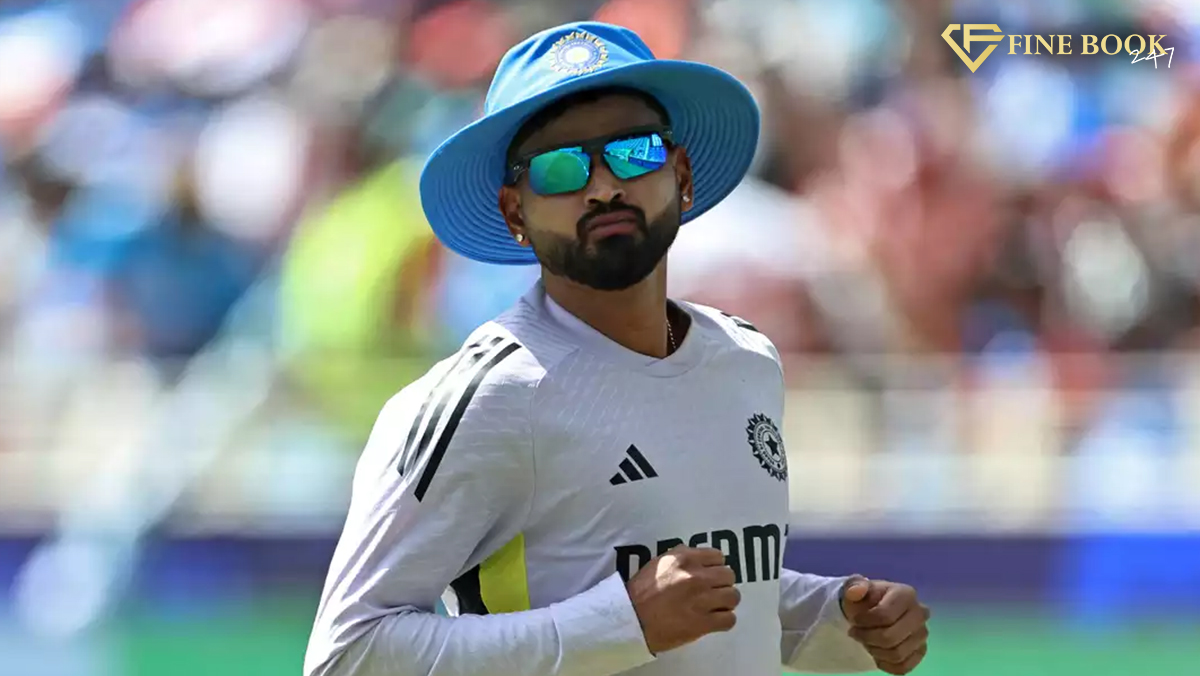
Indian batter Shreyas Iyer has been officially appointed as the captain of the Mumbai cricket team for the upcoming Vijay Hazare Trophy. Marking a significant leadership move by the Mumbai Cricket Association (MCA). The decision underlines Iyer’s growing stature as a leader across formats and his importance in Mumbai’s domestic setup.

Shreyas Iyer, who has previously captained India in white-ball cricket and led IPL sides with confidence. Brings experience, calmness, and tactical sharpness to the Mumbai squad. His appointment comes at a crucial time as Mumbai aim to reclaim dominance in India’s premier domestic one-day tournament. Known for his composed batting in the middle order and ability to anchor innings under pressure. Iyer is expected to lead from the front both as a batter and as a captain.

Shreyas Iyer

Mumbai, one of the most successful teams in Indian domestic cricket history, will look to combine youthful talent with seasoned campaigners under Iyer’s leadership. His familiarity with domestic conditions, coupled with international exposure. Is expected to help Mumbai navigate high-pressure matches during the Vijay Hazare Trophy. Selectors believe Iyer’s leadership qualities and tactical awareness will play a key role in maximizing the team’s performance.

The appointment also boosts Iyer’s credentials as a long-term leadership option for India in limited-overs formats. His ability to manage players, rotate bowlers effectively, and make smart on-field decisions has already earned praise in the past. With several young players in the Mumbai squad. Iyer’s mentorship is expected to play a vital role in shaping the next generation of domestic stars.

Mumbai fans will be eager to see how Iyer balances his personal form with leadership responsibilities. A strong showing in the Vijay Hazare Trophy could further cement his position as one of India’s most reliable middle-order batters while strengthening Mumbai’s title ambitions.

As the tournament approaches, all eyes will be on Shreyas Iyer and his Mumbai side as they look to make a deep run and add another prestigious trophy to their rich legacy.

Usman Khawaja to Retire After Emotional SCG Test

Australian batting stalwart Usman Khawaja has announced that he will retire from international cricket following the fifth Ashes Test at the Sydney Cricket Ground (SCG), marking an emotional end to a career that began at the same venue more than a decade ago.

The 39-year-old left-hander will play his final Test in Sydney, bringing his journey full circle after making his Test debut at the SCG in 2011. Over the years, Khawaja established himself as one of Australia’s most dependable top-order batters. Especially in the latter phase of his career where he enjoyed a remarkable resurgence.

Khawaja finishes with over 6,200 Test runs, including 16 centuries, and earned widespread respect for his calm temperament, technical excellence, and leadership within the dressing room. His performances in challenging overseas conditions and his dominance at home made him a key pillar of Australia’s Test batting lineup.

Beyond statistics, Khawaja’s legacy extends off the field. As the first Pakistan-born Muslim to represent Australia in Test cricket. He became a symbol of diversity and inclusion, often speaking openly about identity, equality, and staying true to one’s beliefs in elite sport.

With the SCG set to host his farewell, Australian cricket prepares to bid goodbye to a player whose career was defined by resilience, class, and quiet determination.

Todd Murphy Enters the Fray with Australia Questioning Spin

Australia’s spin department is back under the spotlight as Todd Murphy enters the fray, reigniting debate over the team’s spin-bowling balance ahead of crucial international fixtures. With conditions expected to offer assistance to slower bowlers, selectors and team management are reassessing their spin options, searching for the right mix of control, wicket-taking ability, and adaptability.

Murphy, who impressed early in his Test career with his calm temperament and sharp off-spin, has emerged as a strong contender at a time when Australia’s spin strategy is being questioned. Traditionally reliant on Nathan Lyon as their premier spinner, Australia now faces a transition phase as workload management and form considerations come into play. Murphy’s inclusion signals a willingness to look beyond established names and invest in younger talent.

The debate has intensified due to Australia’s recent performances on spin-friendly surfaces, where opposition spinners have often had a greater impact. Critics argue that Australia need a more attacking spin option to complement their pace-heavy approach, especially in subcontinent conditions and slow pitches at home. Murphy’s accuracy, bounce, and ability to challenge batters over long spells make him a compelling option in this context.

Team insiders suggest that Murphy’s confidence and game awareness have grown significantly since his debut, and his domestic performances have strengthened his case. While he may not yet match Lyon’s experience, his hunger and adaptability could offer Australia a fresh edge as they plan for the future.

As Australia continue to question their spin combination, Murphy’s entry into the contest adds intrigue and healthy competition within the squad. Whether as a primary spinner or part of a two-spin attack, his role could prove vital in shaping Australia’s bowling strategy in the months ahead.

Deepti Sharma Becomes the Highest Wicket-Taker in Women’s T20 Internationals

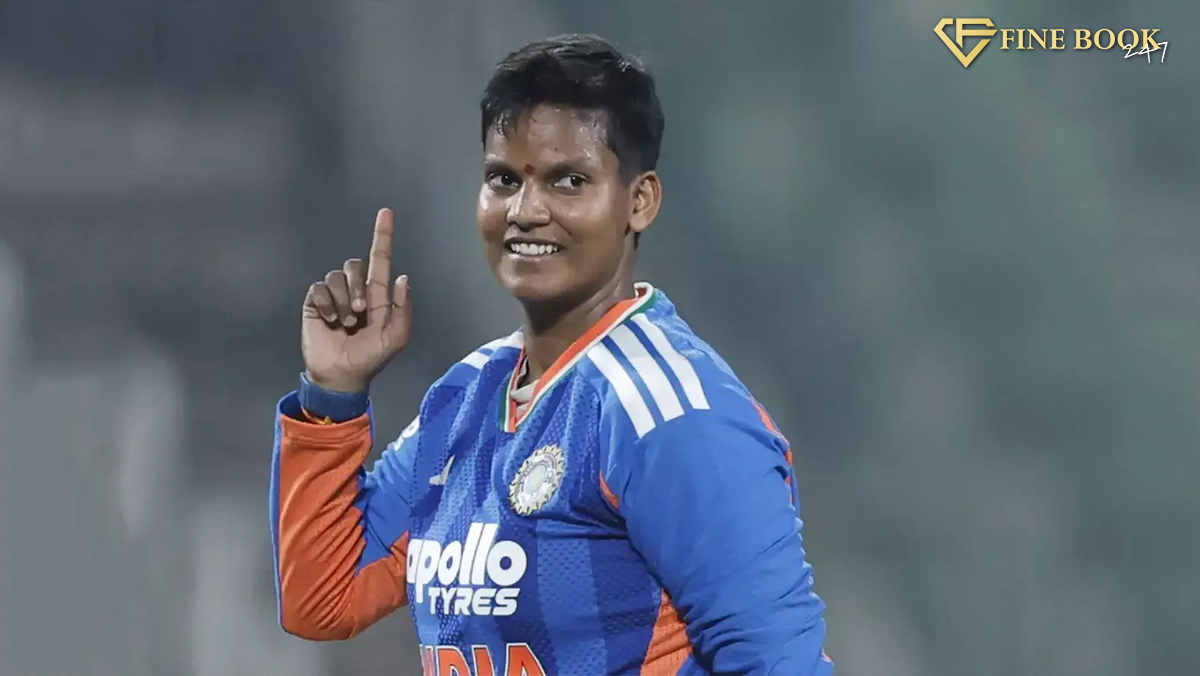
Indian all-rounder Deepti Sharma etched her name into the history books by becoming the highest wicket-taker in Women’s T20 Internationals (WT20Is). Further cementing her status as one of the most impactful bowlers in the shortest format of the game. Known for her consistency, control, and tactical intelligence. Deepti’s milestone is a reflection of years of hard work and match-winning performances for India.

The off-spinner reached the landmark during a crucial international fixture, surpassing some of the biggest names in women’s cricket. Her ability to bowl economically. While striking at key moments has made her a captain’s go-to option, especially in pressure situations. Whether operating in the powerplay or tightening the screws in the middle overs, Deepti has repeatedly delivered breakthroughs. When her team needed them most.

Deepti Sharma

Deepti Sharma’s success in WT20Is is built on accuracy and variation rather than sheer pace. She consistently troubles batters with subtle changes in flight, pace, and angles, forcing errors and creating wicket-taking opportunities. Her calm demeanor on the field and sharp cricketing brain have played a vital role in her long-term success at the international level.

Beyond the numbers, this achievement highlights Deepti’s importance to Indian women’s cricket. Over the years, she has evolved into a complete all-rounder, contributing valuable runs down the order while maintaining her reputation as a reliable wicket-taker. Her performances in global tournaments and bilateral series have been instrumental in India’s rise as a competitive force in women’s T20 cricket.

This record also serves as an inspiration for young cricketers aspiring to represent India on the world stage. Deepti’s journey—from age-group cricket to becoming a global record-holder—demonstrates the rewards of discipline, patience, and continuous improvement. As women’s cricket continues to grow in popularity and competitiveness. Milestones like these underline the depth of talent and commitment among modern players.

With several years of cricket still ahead of her. Deepti Sharma looks set to push the benchmark even further. Her record-breaking feat will be remembered as a defining moment in WT20I history and a proud chapter for Indian cricket fans worldwide.

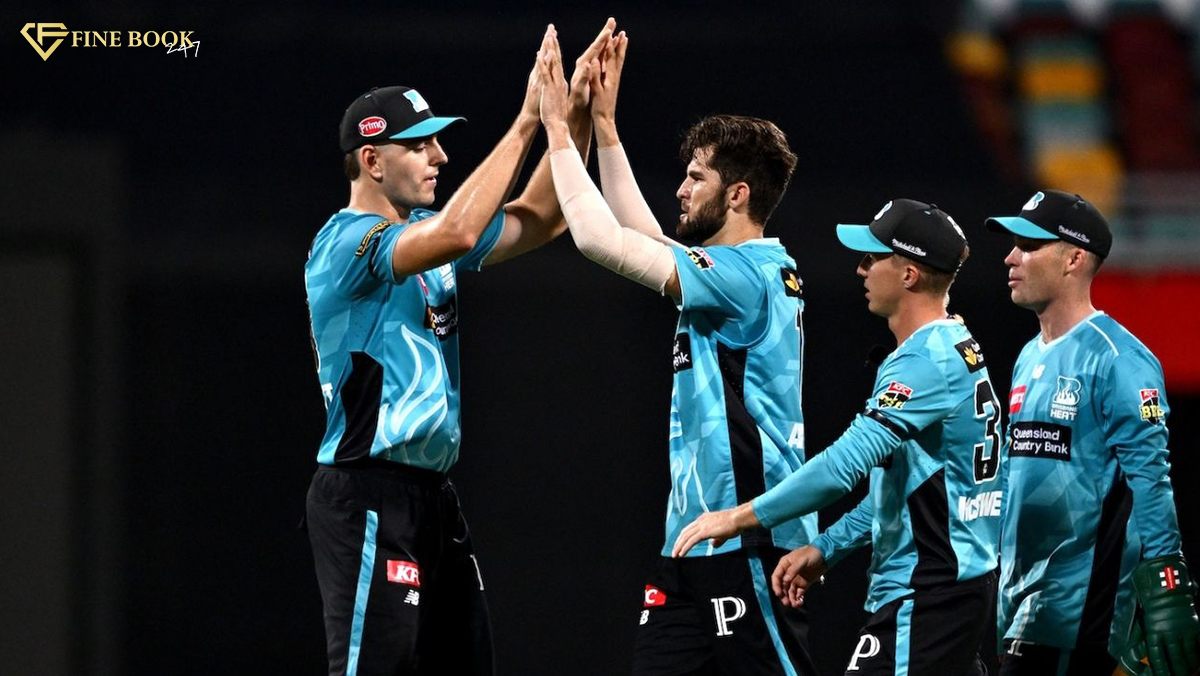
Afridi to Return to Pakistan from BBL After Suffering Knee Injury

Pakistan fast bowler Shaheen Shah Afridi is set to return home from the Big Bash League. After sustaining a knee injury during the tournament. The injury has raised concerns for both his BBL franchise and Pakistan cricket. With team management opting not to risk the star pacer’s long-term fitness.

Afridi, who has been a key attraction in the BBL with his express pace and wicket-taking ability, will undergo further medical assessment in Pakistan. The decision to withdraw him from the remainder of the tournament has been taken as a precautionary measure. Especially with important international assignments ahead for Pakistan.

His absence will be a setback for his BBL side, but Pakistan Cricket Board will closely monitor his recovery, hoping for a swift and complete return to action. Fans will be eager to see Afridi back at full strength, continuing to lead Pakistan’s pace attack across formats.

Australia Seize Handy Lead After Josh Tongue Five-For on 20-Wicket Day

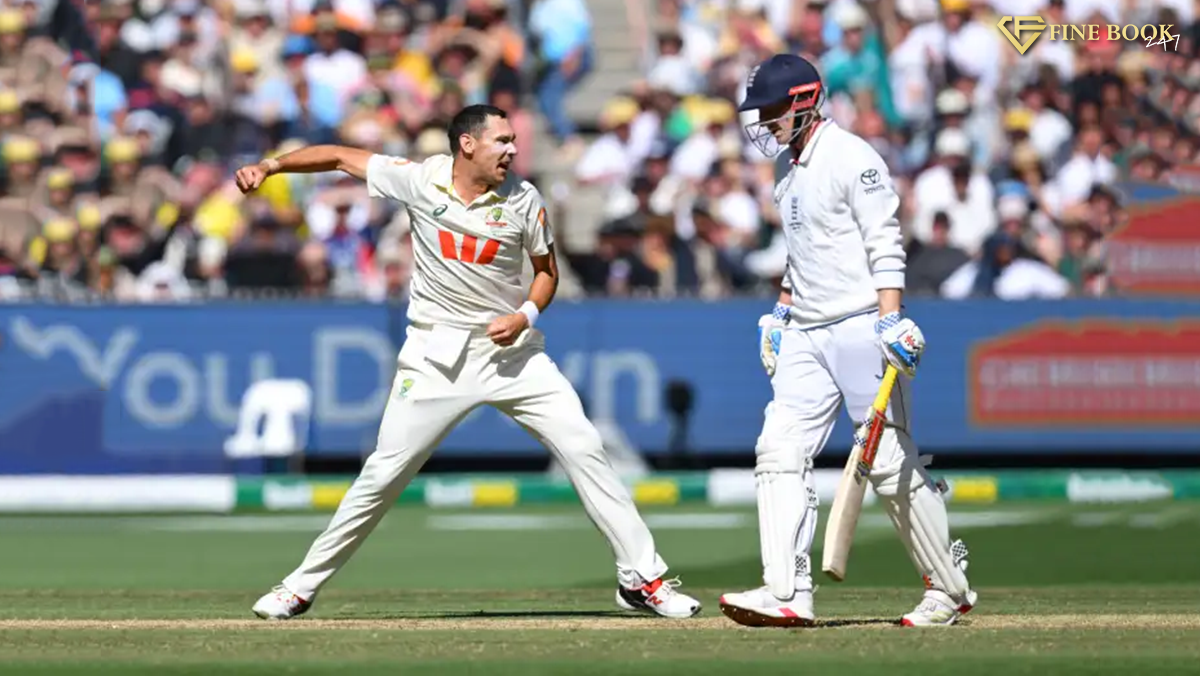
Australia tightened their grip on the Test match after a dramatic 20-wicket day, seizing a handy lead as England pacer Josh Tongue claimed an impressive five-wicket haul. The match witnessed relentless pace, sharp movement, and fluctuating momentum, making it one of the most action-packed days of the contest.

The day began with conditions heavily favoring fast bowlers, and both teams’ batting line-ups found survival difficult. Josh Tongue emerged as England’s standout performer with the ball, exploiting seam movement and bounce to dismantle Australia’s middle and lower order. His five-wicket haul not only kept England in the contest but also prevented Australia from posting a commanding first-innings total.

Josh Tongue

Despite Tongue’s heroics, Australia managed to secure a crucial lead, thanks largely to valuable contributions from their lower order and disciplined batting at key moments. Runs were hard to come by, but Australia showed resilience, grinding out partnerships that ultimately proved decisive in the context of the match.

England’s reply, however, mirrored Australia’s struggles. The Australian pace attack, led by their experienced quicks, struck early and often. Seamers found consistent movement, and the pitch continued to offer uneven bounce, making stroke-making a risky affair. England’s top order faltered under pressure, losing wickets in clusters and allowing Australia to dictate terms for most of the day.

The turning point came during a devastating spell after lunch, when Australia removed England’s set batters in quick succession. Tight lines, aggressive fields, and relentless accuracy forced errors, leaving England reeling. While a few batters showed resistance, partnerships failed to flourish, and the scoreboard pressure continued to mount.

By stumps, a total of 20 wickets had fallen, underlining the bowler-dominated nature of the day. Australia’s ability to capitalize on key moments ensured. They ended the day with a valuable lead, one that could prove match-defining given the challenging batting conditions.

Josh Tongue’s five-for will be remembered as a major highlight, showcasing his growing importance in England’s bowling attack. His pace, bounce, and control troubled even Australia’s most accomplished batters. His performance will boost England’s confidence heading into the remainder of the match.

For Australia, the focus now shifts to building on their advantage. With a handy lead already secured, they will look to bat with greater freedom in the next innings, aiming to put England under immense pressure. England, on the other hand, must regroup quickly, with their batters needing to show discipline and adaptability. If they are to stay in the contest.

As the Test heads into the next phase, the balance still hangs delicately. But Australia’s edge after this explosive 20-wicket day places them firmly in the driver’s seat. With conditions continuing to assist the bowlers, fans can expect more drama as the match unfolds.

BCCI Stays Financially Strong Despite Dream11 Exit, ICC Revenue Dip

The Board of Control for Cricket in India (BCCI) has once again underlined its financial dominance in world cricket. Maintaining a strong economic position despite the exit of title sponsor Dream11 and a temporary dip in revenue from the International Cricket Council (ICC).

Dream11’s withdrawal, following regulatory changes affecting real-money gaming platforms in India. Initially raised concerns about a potential revenue gap. However, the BCCI’s latest financial disclosures reveal that the impact has been minimal. The board’s diversified income streams, strategic sponsorship planning, and robust reserves have ensured continued financial stability.

One of the key pillars of BCCI’s strength remains the Indian Premier League (IPL). The league continues to generate massive revenues through media rights, team sponsorships, and gate receipts. Long-term broadcasting deals and rising franchise valuations have significantly insulated the board from short-term sponsorship disruptions. Even without Dream11, the BCCI successfully secured new partnerships that helped offset the loss.

Although the BCCI experienced a dip in its ICC revenue share compared to previous cycles. The board’s overall earnings remain unmatched globally. The ICC revenue decline is largely attributed to distribution cycle adjustments rather than structural weakness. In contrast, the BCCI’s domestic revenues have surged, supported by bilateral series, women’s cricket expansion, and grassroots tournaments.

Financial reports also highlight a substantial increase in the BCCI’s general funds, driven by higher interest income and disciplined financial management. With reserves running into tens of thousands of crores, the board is well-positioned to invest in infrastructure development, player welfare programs, and the growth of domestic cricket across India.

Industry experts believe the BCCI’s financial model serves as a benchmark for other cricket boards. Its ability to remain unaffected by sponsor exits and global revenue fluctuations highlights the strength of Indian cricket as a commercial product. The board’s long-term vision, backed by strong governance and commercial planning, continues to safeguard its economic future.

As cricket moves into a more competitive global market, the BCCI’s financial resilience ensures it will remain a central force in shaping the sport’s direction—both on and off the field.

England Rocked by Changes as Jofra Archer Is Ruled Out and Pope Dropped for Melbourne

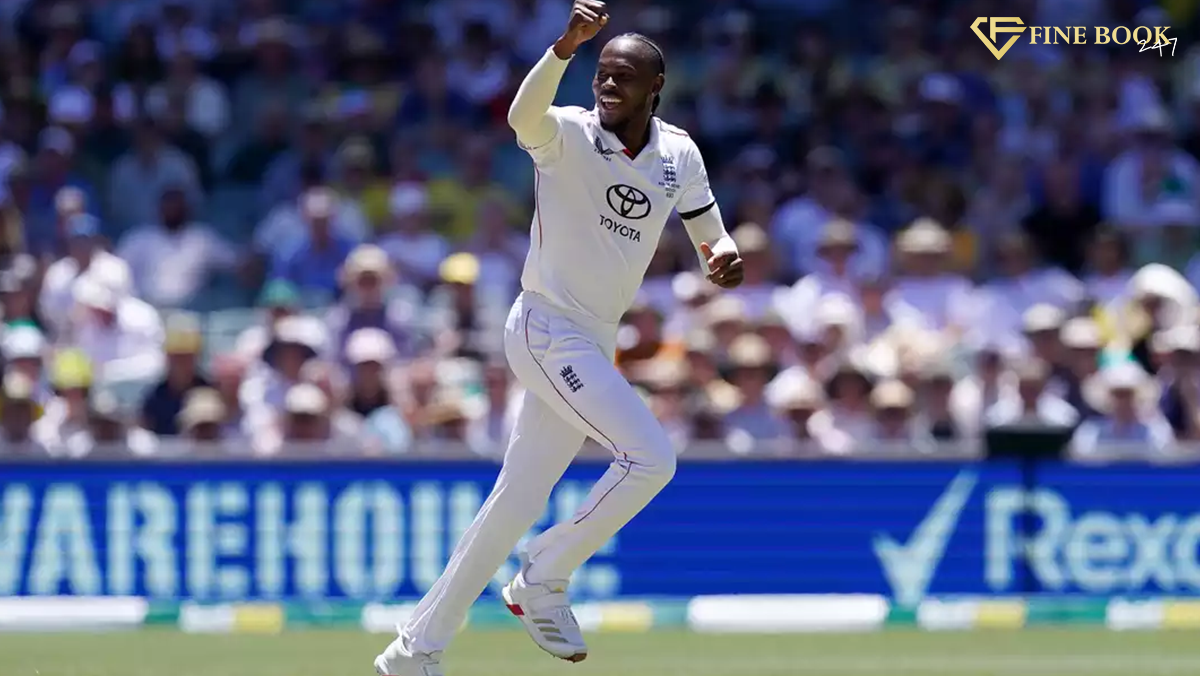
England’s Ashes campaign has suffered another major setback with fast bowler Jofra Archer ruled out of the remainder of the series. While Ollie Pope has been dropped from the squad for the Melbourne Test. As the team management looks to arrest a disappointing run of results in Australia.

Archer’s absence is a significant blow for England, who had hoped the express pacer would provide cutting edge and intimidation against a dominant Australian batting lineup. The 29-year-old has struggled with recurring fitness issues, and team officials confirmed that he will return home to continue his rehabilitation. After failing to recover in time for the Boxing Day Test at the Melbourne Cricket Ground. England’s medical staff have opted not to take further risks, prioritising Archer’s long-term fitness over a rushed comeback.

Since making his Ashes debut in 2019, Archer has been one of England’s most potent weapons in hostile conditions. However, injuries have repeatedly interrupted his career. And his latest setback further underlines England’s growing concerns around fast-bowling depth in long overseas tours.

Jofra Archer

Adding to England’s challenges, Ollie Pope has been left out of the playing XI for the Melbourne. Test following a lean run of form. Pope, who was expected to play a key role in the middle order, has struggled for consistency throughout the series. Failing to convert promising starts into substantial scores. With England trailing heavily in the Ashes, selectors have opted for a shake-up in hopes of injecting fresh energy into the side.

The decision to drop Pope signals a more ruthless approach from the England management as pressure mounts after a string of underwhelming performances. Reports suggest the team is keen to explore alternative batting options. Potentially giving opportunities to players who can better adapt to Australian conditions and apply greater resilience against pace and bounce.

England’s tour has been plagued by injuries, form slumps, and tactical challenges. While Australia have capitalised ruthlessly at home. The absence of Archer weakens England’s pace attack, placing added responsibility on the remaining bowlers to deliver breakthroughs on flat pitches. Meanwhile, changes in the batting lineup reflect England’s urgency to find a winning combination before the series slips further away.

The Boxing Day Test at Melbourne now looms as a crucial encounter for England’s pride, if not the series outcome. With Australia enjoying momentum and home advantage, England face an uphill task to remain competitive and restore confidence within the squad.

As England regroup and reassess, the focus will be on rebuilding consistency, managing player workloads. Preparing for future challenges beyond the Ashes. The decisions surrounding Archer and Pope highlight a transitional phase for the team one that demands both patience and bold selection calls.

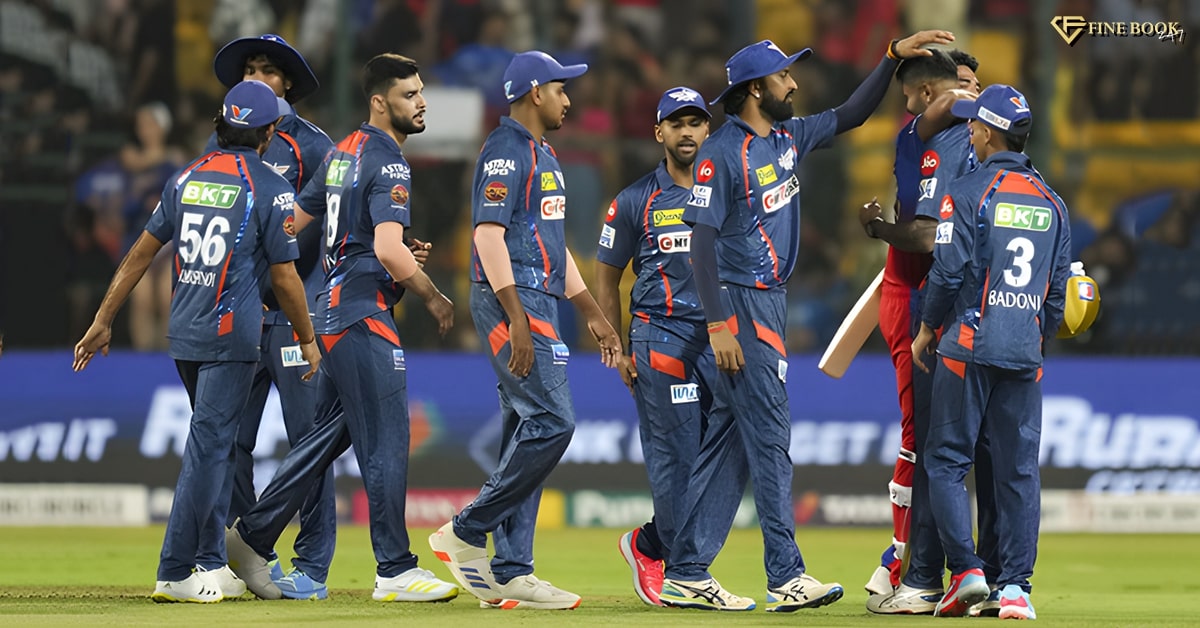
LSG Send Bowlers to Durban for Training with SA20 Team

Lucknow Super Giants (LSG) have taken a proactive step in their preparations for the upcoming Indian Premier League season by sending a group of their bowlers to Durban, South Africa, for a focused training stint with an SA20 franchise team. The move highlights LSG’s commitment to strengthening their bowling resources and ensuring players are well-prepared for high-intensity T20 cricket.

Durban offers ideal conditions for fast bowlers, with pitches that provide pace and bounce. Training in such an environment allows LSG’s bowlers to fine-tune their line and length, work on swing and seam movement, and develop effective variations for different phases of the game. The exposure is expected to be especially beneficial for improving death-over strategies and adaptability across conditions.

The collaboration with the SA20 setup gives LSG players access to experienced coaches and competitive net sessions against quality batters. Sharing knowledge with South African players, who are known for their strong pace-bowling culture, adds further value to the training program. These sessions are designed to replicate match situations, helping bowlers build confidence and tactical awareness.

Team management believes that overseas exposure plays a crucial role in modern cricket development. By training alongside an SA20 team, LSG’s bowlers gain insights into global T20 trends and innovative bowling plans that can be applied in the IPL. The franchise views this initiative as an investment in long-term performance rather than just short-term results.

As LSG aim to make a strong impact in the next IPL season, such targeted preparation could prove decisive. The Durban training stint not only enhances individual skills but also contributes to building a more cohesive and versatile bowling unit ready to face the challenges of the tournament.

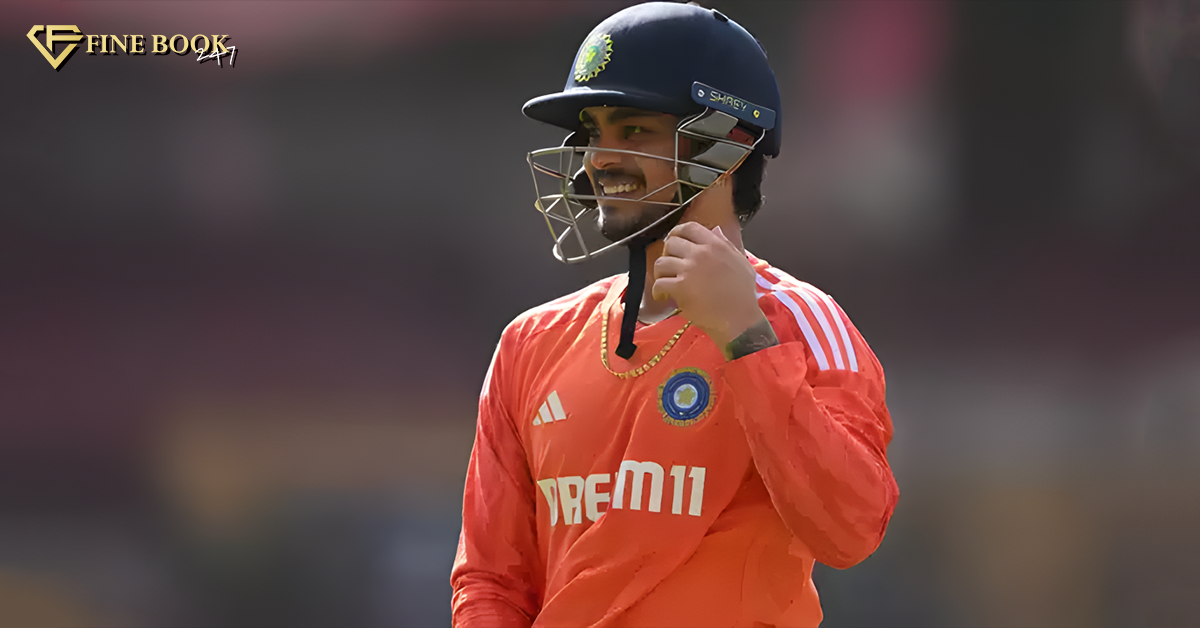
No Gill, Jitesh for T20 World Cup; Ishan Kishan Returns to India T20I Squad

The Board of Control for Cricket in India (BCCI) has announced India’s T20I squad for the upcoming ICC Men’s T20 World Cup, and the selection has already sparked widespread discussion among fans and experts. The biggest talking points from the announcement are the omission of Shubman Gill and Jitesh Sharma, while Ishan Kishan has made a notable return to the national T20I setup.

Key Omissions Raise Eyebrows

Shubman Gill’s absence has come as a surprise to many, given his reputation as one of India’s most technically sound batters across formats. While Gill has shown consistency in ODIs and Tests, selectors appear to have prioritised players with a stronger recent impact in the shortest format. His strike rate and role fit in high-pressure T20 World Cup conditions may have influenced the decision.

Similarly, wicketkeeper-batter Jitesh Sharma misses out despite being seen as a promising finisher in recent seasons. Known for his aggressive batting in the middle and death overs, Jitesh’s exclusion suggests the selectors are leaning towards experience and versatility over experimentation as the tournament approaches.

Ishan Kishan’s Comeback

The return of Ishan Kishan marks a significant development in India’s T20 plans. After spending time out of the national side, the left-handed opener has worked his way back through consistent performances in domestic cricket and franchise tournaments. His ability to provide quick starts at the top of the order, combined with his experience as a wicketkeeper, makes him a valuable asset in T20 cricket.

Kishan’s inclusion also adds balance to the squad, offering a left-right opening combination and an aggressive approach in the powerplay—something India has often relied on in global tournaments.

Squad Strategy and Team Balance

The selected squad reflects a clear focus on power-hitting, all-round depth, and bowling flexibility. The management appears intent on building a side that can adapt to different conditions, whether it’s flat batting pitches or slower surfaces where variation and control become crucial.

Experienced campaigners form the backbone of the team, while a few dynamic players provide explosive options with both bat and ball. The emphasis seems to be on players who can contribute in multiple areas, reducing dependency on specialists.

What This Means for India

India’s squad selection indicates a shift towards form and role clarity rather than reputation alone. With the T20 World Cup known for its unforgiving nature, the team management has opted for players who fit specific tactical requirements.

For Gill and Jitesh, the door is not closed. Strong performances in upcoming series and leagues could quickly bring them back into contention. Meanwhile, Ishan Kishan now has a crucial opportunity to cement his place and make a strong impact on the world stage.

Final Thoughts

Squad announcements are always subject to debate, and this one is no different. As India gears up for the T20 World Cup, the focus will now turn to execution on the field. With a blend of experience, firepower, and adaptability, the selected squad will aim to bring consistency and composure when it matters most. Only time will tell whether these bold selection calls pay off on the global stage.