Usman Khawaja to Retire After Emotional SCG Test

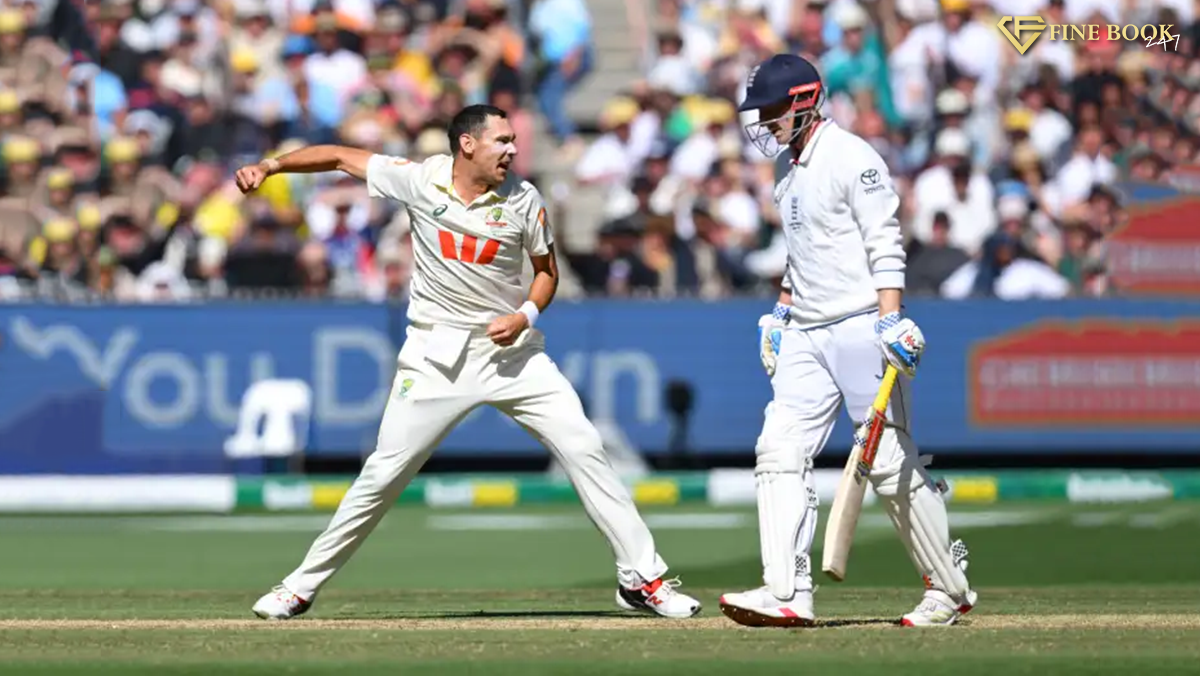
Australian batting stalwart Usman Khawaja has announced that he will retire from international cricket following the fifth Ashes Test at the Sydney Cricket Ground (SCG), marking an emotional end to a career that began at the same venue more than a decade ago.

The 39-year-old left-hander will play his final Test in Sydney, bringing his journey full circle after making his Test debut at the SCG in 2011. Over the years, Khawaja established himself as one of Australia’s most dependable top-order batters. Especially in the latter phase of his career where he enjoyed a remarkable resurgence.

Khawaja finishes with over 6,200 Test runs, including 16 centuries, and earned widespread respect for his calm temperament, technical excellence, and leadership within the dressing room. His performances in challenging overseas conditions and his dominance at home made him a key pillar of Australia’s Test batting lineup.

Beyond statistics, Khawaja’s legacy extends off the field. As the first Pakistan-born Muslim to represent Australia in Test cricket. He became a symbol of diversity and inclusion, often speaking openly about identity, equality, and staying true to one’s beliefs in elite sport.

With the SCG set to host his farewell, Australian cricket prepares to bid goodbye to a player whose career was defined by resilience, class, and quiet determination.

Gus Atkinson Ruled Out of Final Ashes Test in Sydney

England have suffered another major setback ahead of the fifth and final Ashes Test at the Sydney Cricket Ground, with fast bowler Gus Atkinson ruled out due to injury. The England camp confirmed that Atkinson will miss the series finale after scans revealed a hamstring strain, dealing a further blow to an already depleted pace attack.

Atkinson sustained the injury during the fourth Test. Where he experienced discomfort while bowling and was unable to complete his full workload. Medical assessments following the match showed that the injury would require rest and rehabilitation, prompting team management to take a cautious approach and rule him out of the Sydney Test.

The absence of Atkinson compounds England’s growing injury concerns. With Mark Wood and Jofra Archer already unavailable. England’s fast-bowling resources have been stretched thin throughout the series. Atkinson had been one of the brighter performers, offering pace, control, and crucial breakthroughs in challenging Australian conditions. His ability to hit the deck hard and extract bounce made him a key component of England’s bowling plans.

Gus Atkinson

Selectors are now expected to reshuffle the bowling combination for the final Test. Bowlers such as Matthew Potts or Matthew Fisher are likely to be considered as replacements. While England may also lean heavily on all-rounders and their remaining fit seamers to shoulder the workload. The management will also closely monitor player fitness given the physical toll of a long and demanding Ashes series.

For England, Atkinson’s absence is not just a tactical loss. But also a psychological one, as the team looks to finish the tour on a positive note. The Sydney Test traditionally offers something for both batters and bowlers. And England will need disciplined bowling and smart field placements to challenge a confident Australian side.

Despite the injury setback, England’s focus remains on showing resilience and character in the final Test. The team will hope that the incoming bowler can rise to the occasion and that senior players step up to deliver a competitive performance at the SCG.

The Ashes may already be decided. But pride, momentum, and individual performances remain firmly on the line as England aim to end the series with a statement in Sydney.

Australia Seize Handy Lead After Josh Tongue Five-For on 20-Wicket Day

Australia tightened their grip on the Test match after a dramatic 20-wicket day, seizing a handy lead as England pacer Josh Tongue claimed an impressive five-wicket haul. The match witnessed relentless pace, sharp movement, and fluctuating momentum, making it one of the most action-packed days of the contest.

The day began with conditions heavily favoring fast bowlers, and both teams’ batting line-ups found survival difficult. Josh Tongue emerged as England’s standout performer with the ball, exploiting seam movement and bounce to dismantle Australia’s middle and lower order. His five-wicket haul not only kept England in the contest but also prevented Australia from posting a commanding first-innings total.

Josh Tongue

Despite Tongue’s heroics, Australia managed to secure a crucial lead, thanks largely to valuable contributions from their lower order and disciplined batting at key moments. Runs were hard to come by, but Australia showed resilience, grinding out partnerships that ultimately proved decisive in the context of the match.

England’s reply, however, mirrored Australia’s struggles. The Australian pace attack, led by their experienced quicks, struck early and often. Seamers found consistent movement, and the pitch continued to offer uneven bounce, making stroke-making a risky affair. England’s top order faltered under pressure, losing wickets in clusters and allowing Australia to dictate terms for most of the day.

The turning point came during a devastating spell after lunch, when Australia removed England’s set batters in quick succession. Tight lines, aggressive fields, and relentless accuracy forced errors, leaving England reeling. While a few batters showed resistance, partnerships failed to flourish, and the scoreboard pressure continued to mount.

By stumps, a total of 20 wickets had fallen, underlining the bowler-dominated nature of the day. Australia’s ability to capitalize on key moments ensured. They ended the day with a valuable lead, one that could prove match-defining given the challenging batting conditions.

Josh Tongue’s five-for will be remembered as a major highlight, showcasing his growing importance in England’s bowling attack. His pace, bounce, and control troubled even Australia’s most accomplished batters. His performance will boost England’s confidence heading into the remainder of the match.

For Australia, the focus now shifts to building on their advantage. With a handy lead already secured, they will look to bat with greater freedom in the next innings, aiming to put England under immense pressure. England, on the other hand, must regroup quickly, with their batters needing to show discipline and adaptability. If they are to stay in the contest.

As the Test heads into the next phase, the balance still hangs delicately. But Australia’s edge after this explosive 20-wicket day places them firmly in the driver’s seat. With conditions continuing to assist the bowlers, fans can expect more drama as the match unfolds.


England Rocked by Changes as Jofra Archer Is Ruled Out and Pope Dropped for Melbourne

England’s Ashes campaign has suffered another major setback with fast bowler Jofra Archer ruled out of the remainder of the series. While Ollie Pope has been dropped from the squad for the Melbourne Test. As the team management looks to arrest a disappointing run of results in Australia.

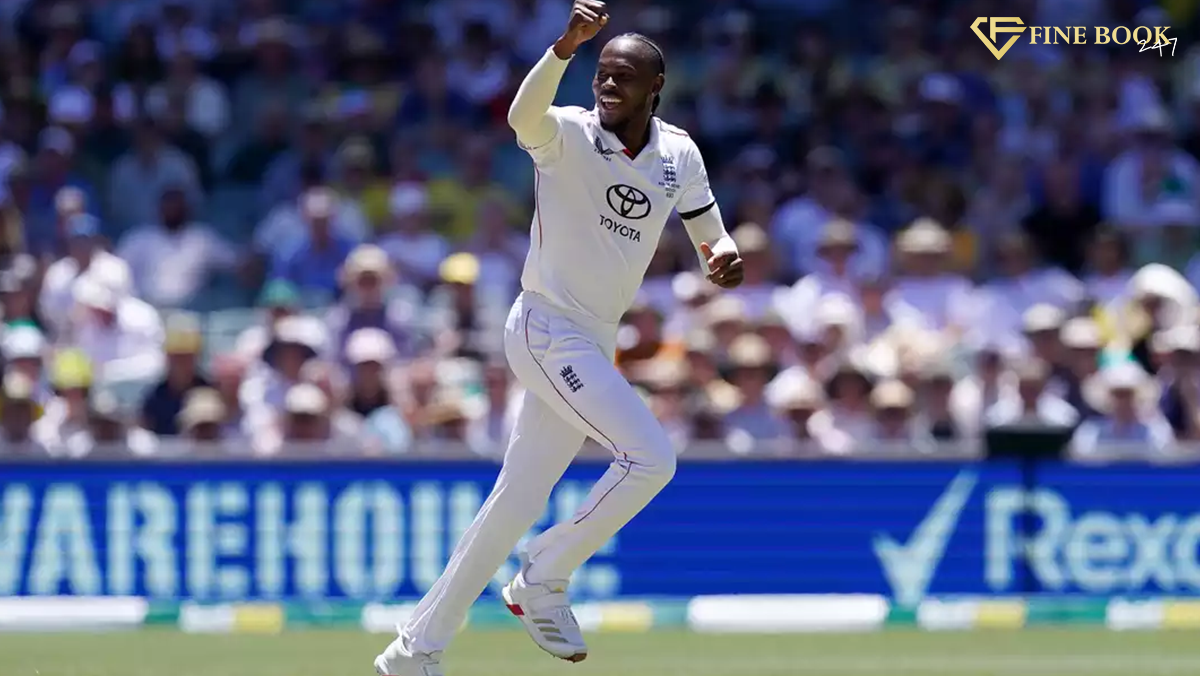
Archer’s absence is a significant blow for England, who had hoped the express pacer would provide cutting edge and intimidation against a dominant Australian batting lineup. The 29-year-old has struggled with recurring fitness issues, and team officials confirmed that he will return home to continue his rehabilitation. After failing to recover in time for the Boxing Day Test at the Melbourne Cricket Ground. England’s medical staff have opted not to take further risks, prioritising Archer’s long-term fitness over a rushed comeback.

Since making his Ashes debut in 2019, Archer has been one of England’s most potent weapons in hostile conditions. However, injuries have repeatedly interrupted his career. And his latest setback further underlines England’s growing concerns around fast-bowling depth in long overseas tours.

Jofra Archer

Adding to England’s challenges, Ollie Pope has been left out of the playing XI for the Melbourne. Test following a lean run of form. Pope, who was expected to play a key role in the middle order, has struggled for consistency throughout the series. Failing to convert promising starts into substantial scores. With England trailing heavily in the Ashes, selectors have opted for a shake-up in hopes of injecting fresh energy into the side.

The decision to drop Pope signals a more ruthless approach from the England management as pressure mounts after a string of underwhelming performances. Reports suggest the team is keen to explore alternative batting options. Potentially giving opportunities to players who can better adapt to Australian conditions and apply greater resilience against pace and bounce.

England’s tour has been plagued by injuries, form slumps, and tactical challenges. While Australia have capitalised ruthlessly at home. The absence of Archer weakens England’s pace attack, placing added responsibility on the remaining bowlers to deliver breakthroughs on flat pitches. Meanwhile, changes in the batting lineup reflect England’s urgency to find a winning combination before the series slips further away.

The Boxing Day Test at Melbourne now looms as a crucial encounter for England’s pride, if not the series outcome. With Australia enjoying momentum and home advantage, England face an uphill task to remain competitive and restore confidence within the squad.

As England regroup and reassess, the focus will be on rebuilding consistency, managing player workloads. Preparing for future challenges beyond the Ashes. The decisions surrounding Archer and Pope highlight a transitional phase for the team one that demands both patience and bold selection calls.